
How to Clean Aluminium Doors

When investing in a new door you want to ensure that it is looking its best to give a great first impression for visitors and of course for the upkeep of your home. Whilst aluminium doors require little maintenance thanks to their impressive specifications, durability and robust nature against all four seasons, sometimes it does need a little freshening up with the build-up of bugs, cobwebs, grime and dirt. There are some easy steps to take to make this happen using simple household items.

 

What Not to Use When Cleaning an Aluminium Door

 Firstly, let’s share the items that should be avoided when cleaning your aluminium door. Chlorine, Ketones, Esters and Hydrocarbons are products that will harm your door due to their abrasive nature and harsh chemicals. However, as the aluminium frames have an anodised finish and are not painted, you may be able to use an eraser to remove any stubborn marks if necessary.


Use Water to Wash the Door

 A basic combination of warm soapy water is the most effective solution for aluminium door cleaning, particularly a mild liquid soap rather than a bar of soap.


Apply Cleaning Solution to the Door

 With a sponge or soft micro-fibre cloth start from the top of the door and with a firm grip slide the cloth to the bottom and repeat as necessary whilst washing away the grime and dirt.


Rinse With Water

 Once complete rinse with clean water to ensure that all the dirt has been washed away and you’re left with a refreshed-looking door that’s as good as new.


If Your Aluminium Door is Scratched

 Sometimes, scratches on doors can easily happen. Whether that’s from knocks from children’s bikes or when you’re bringing the shopping in or suitcases home from a holiday. For minor scuffs and marks you can use a non-abrasive liquid cream or paraffin cleaner to remove these with ease.

However, for deeper scratches which have gone beyond the finish layer down to the raw aluminium, there is a chemical process called oxidation which can seal the scratched area and prevent it from any further corrosion. Sadly, this isn’t an easy fix and can be seen even after a thorough coat of paint. As difficult as it sounds, most people won’t know that there is a scratch on the door, but be safe in the knowledge that this won’t affect the overall lifespan of the frame itself.


How Often Should You Clean Aluminium Doors?

 As aluminium doors have an impressive coating that adds to their durability and robust nature, it does need cleaning at times. This process is completely down to the owner and your own cleaning schedule, or if you’ve noticed a spot of dirt and it’s time to give it a wipe down.

It’s also worth bearing in mind that if you live in an area of high pollution then you might want to consider increasing the number of times you clean the door to prevent a build-up of grime. It is recommended not to do it more than once every three months if you live in an urban area. As for more rural areas then an annual clean is fine.


For More Information?

Here at Crystal Clear, we care about quality, and your experience. We know that not every window or door is made the same, and that they require different methods of maintenance in order to give them the best care over the course of their life. Check out our section of maintenance guides to help prolong the life of your door or window.


Please never use any penetrating sprays such as WD40 or Double TT.
We recommend the use or 3 in 1 oil, spray oil, light grease or silicone spray to lubricate your moving parts.

 

How to Clean Sash Windows

Sash windows are an elegant and classy addition to any property, therefore it’s important to maintain the upkeep and maintenance of these windows with an efficient and effective cleaning routine that will prolong their pristine look for years to come.

How To Clean Wooden Sash Windows

Dating back over 200 years ago, timber sash windows do require much more upkeep compared to their contemporary uPVC counterparts. If your wooden sash windows are in full working order then there are a number of steps to bear in mind. Firstly vacuum any dirt from the window and then use a glass cleaner and a cloth for the inside of the frame.

As for the outside, use a mixture of soap and warm water to wipe down any dust by pulling down both sashes and cleaning the top, and then lower the outer sash by pulling them both up fully. Finally, pull the inner sash halfway down, clean the bottom part and then remove all grime with the mixed substance before drying.

Safety is always a priority when cleaning windows and if you are feeling uneasy about carrying out this process, especially with traditional windows such as these, then call on a professional to clean them for you.


How Often Should You Clean Them?

It’s recommended that at a minimum you should clean sash windows once or twice a year. However, if you notice a build-up of dust or dirt then maintain the look of your windows as you see fit and when the best time for you is.


What Not To Use On Your Sash Window

There are a number of rules to remember on how to clean sash windows. Pick a day when it’s cloudy as doing so on a sunny and bright day means that the soapy water will dry quicker than usual and leave unwanted streaks on the glass. Also, remember not to use glass cleaners, paper towels or steel wool pads, instead try microfibre cloths as they are a more gentle material, and avoid using hard spirits or bleach as this will damage the sash window.


How To Clean uPVC Sash Windows

For modern sash windows including uPVC, tilt the upper window outside so that you have more access to clean both windows with ease using warm soapy water and a soft cloth. Compared to wooden frames, this material is much easier to maintain and can take half the time.

Start by removing any dirt or dust with a vacuum or brush, including the handles and hinges as well as the frame itself. When wiping down the frames and hardware pay attention to those hard-to-reach areas which will experience more of a build-up of dirt over time.


How To Clean Mould Off Sash Windows

Sash window cleaning differs depending on what material frame you have, but there may come a time when you have a build-up of mould that needs to be removed. The most effective way to get rid of unwanted mould is by applying white vinegar and leaving it to soak for an hour so that the mould is given a chance to break up. Using warm water, scrub away the vinegar and mould, then wipe down the surface and leave the area to dry out by opening some windows to let the smell out.  


For More Information?

Here at Crystal Clear, we care about quality, and your experience. We know that not every window or door is made the same, and that they require different methods of maintenance in order to give them the best care over the course of their life. Check out our section of maintenance guides to help prolong the life of your door or window.


Please never use any penetrating sprays such as WD40 or Double TT.
We recommend the use or 3 in 1 oil, spray oil, light grease or silicone spray to lubricate your moving parts.


How To Clean uPVC Windows

Easy to maintain whilst presenting a stylish and timeless look, there are a number of ways to clean uPVC windows and ensure they are looking pristine for years ahead.

How To Clean uPVC Window Frames

For the inside of the frame, the first step to carry out is to clean the hinges by opening the window to the point of resistance to get inside the hard-to-reach areas. Then, use a vacuum to draw out any build-up of dust that may have collected around or inside the hinges, followed by brushing all the corners of the frame with a vacuum attachment to remove any excess.

Following this mix mild soap and warm water together to wipe down the inside of the window frame with a soft cloth, and finally, use a couple of multi-purpose oil drops to lubricate the hinges so that they don’t become rusty.

As for the frame itself, use a soft cloth or brush to remove any dirt or dust and then hose down if possible for a complete wash. Then using warm soapy water or a dedicated window cleaner, wipe down the outside of the frame with a material that won’t scratch the surface. To get a gleaming finish with your windows, use a dedicated window spray for just the glass and clean with kitchen roll or an old newspaper.

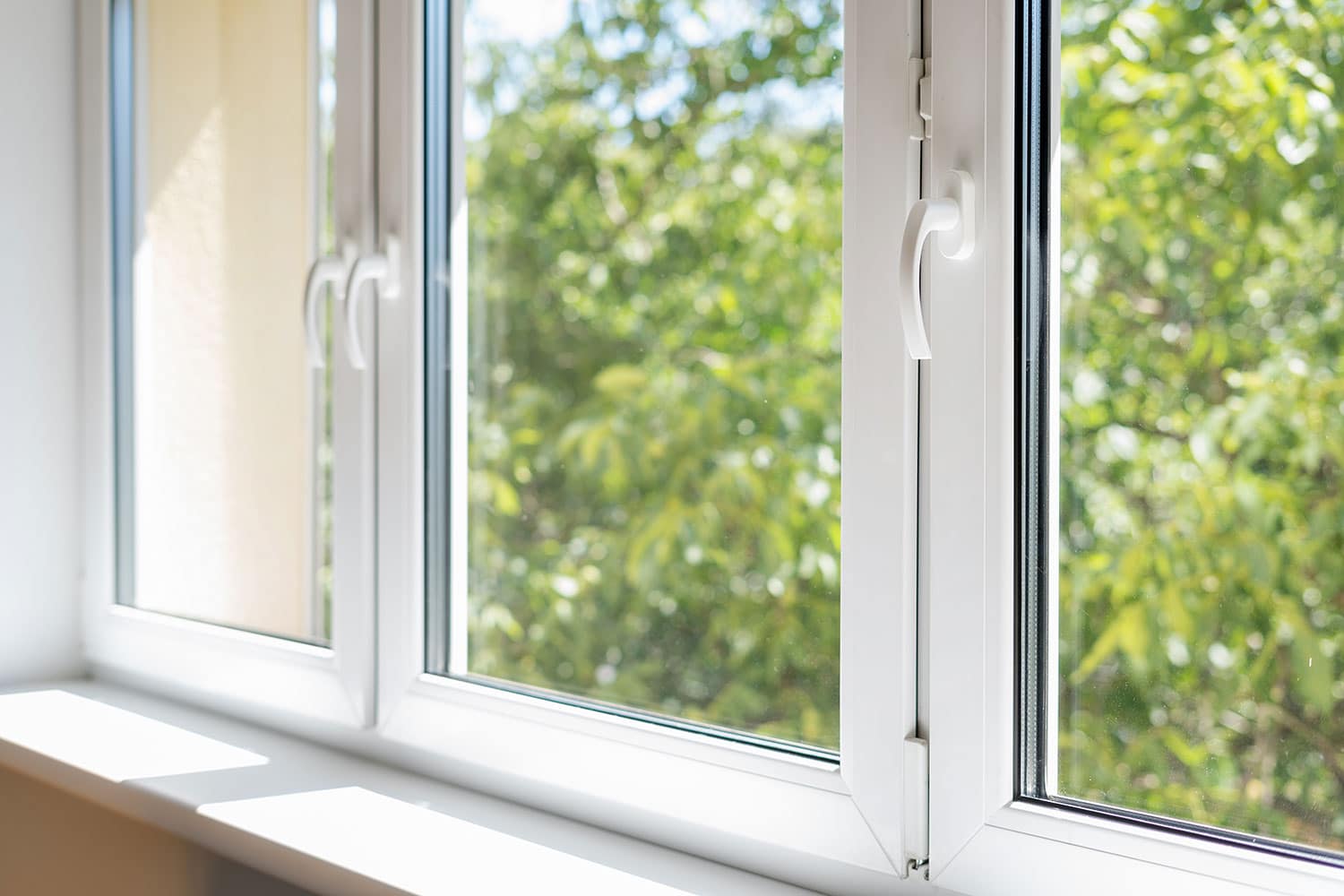
Clean uPVC window interior

How Often Should You Clean Them?

For external glass, it’s recommended that uPVC cleaning takes place every four months and once a month for the internal glass. However, if you feel that you need to increase your uPVC window cleaning time due to a build-up of dirt then adjust your schedule as necessary.


What Not To Use On Your uPVC Window

There are a number of chemicals and materials that should not be used when cleaning your windows are they can cause damage to the overall look and protection of the frame.

This includes items such as steel wool or scouring pads when wiping down your windows, as well as not using glass cleaner on frames, cream cleaners, scouring powder, bleach, methylated spirits, white spirits, WD40, caustic or ammonia-based solutions. Double-check the label on the bottle when cleaning, and also remember that cellulose thinners can also melt the plastic.


How To Clean uPVC Window Sills

Depending on the severity there are two options to choose from when looking up how to clean uPVC windows. The first is to use a hot water soap solution wiped down with a soft cloth. The second option is to try vinegar. The mixture consists of one cup of vinegar to four cups of water in a spray bottle. Once applied leave for 10 minutes and then wipe down with a dry cloth. Whilst you think bleach or white spirits may help, it won’t, as this can turn white uPVC brown.


How To Clean Mould Off uPVC Windows

Sash window cleaning differs depending on what material frame you have, but there may come a time when you have a build-up of mould that needs to be removed. The most effective way to get rid of unwanted mould is by applying white vinegar and leaving it to soak for an hour so that the mould is given a chance to break up. Using warm water, scrub away the vinegar and mould, then wipe down the surface and leave the area to dry out by opening some windows to let the smell out.  


How Can You Get Your uPVC Window Frames White Again?

Window frames can be damaged if a rough material or incorrect chemicals have been used to clean up dirt and mould. Sadly there isn’t much you can do to reverse this, and that’s also true if cheap uPVC windows have been installed and are decaying with time and turning a yellow colour. However, the vinegar and water mixture above can save window frames and potentially turn them white again by leaving the substance on for 10 minutes and wiping it down for a fresh look.


For More Information?

Here at Crystal Clear, we care about quality, and your experience. We know that not every window or door is made the same, and that they require different methods of maintenance in order to give them the best care over the course of their life. Check out our section of maintenance guides to help prolong the life of your door or window.


Please never use any penetrating sprays such as WD40 or Double TT.
We recommend the use or 3 in 1 oil, spray oil, light grease or silicone spray to lubricate your moving parts.


Get A Free Quote Call Us Visit Showroom