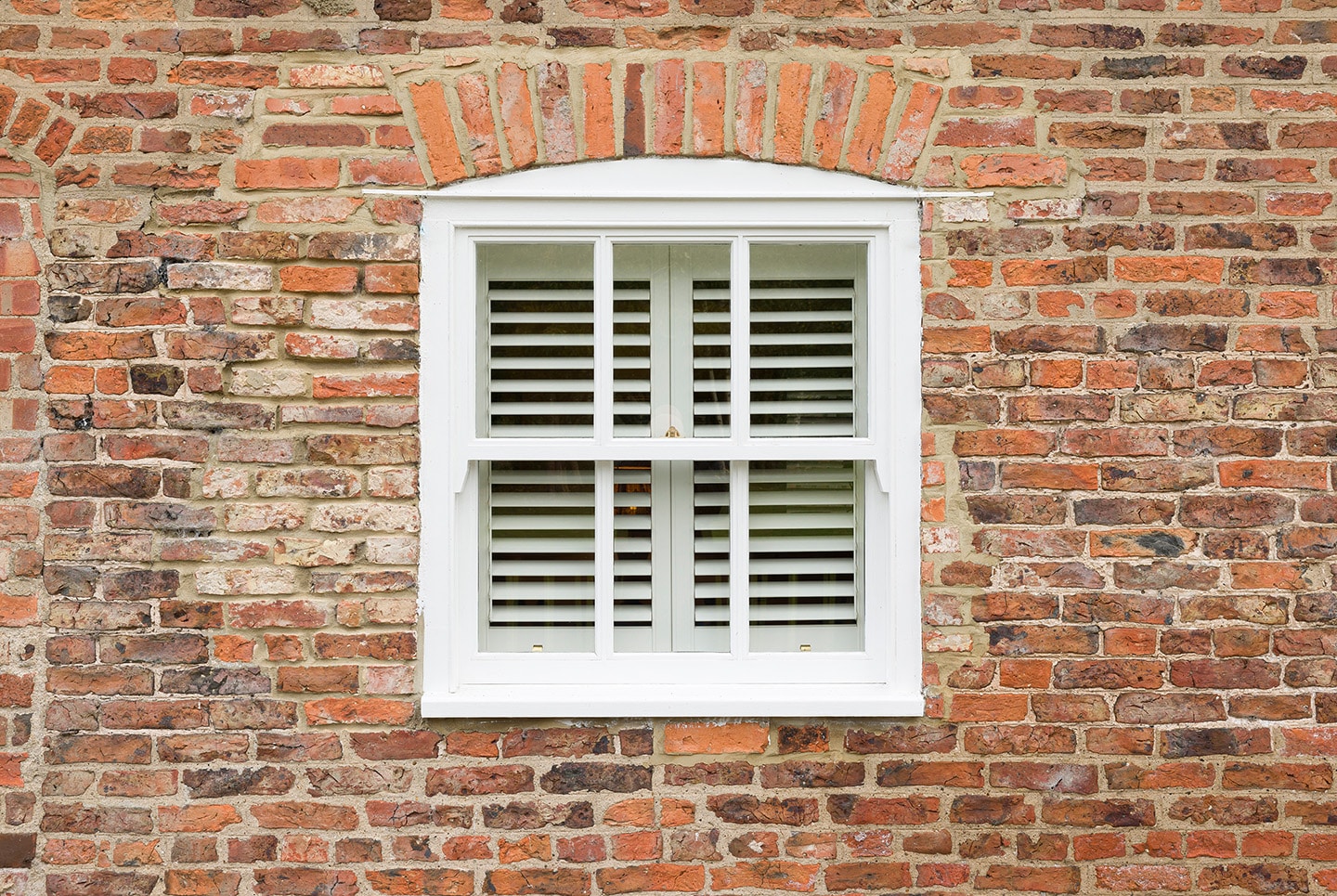
Choosing blinds for your home is about more than privacy. The right option can help you manage sunlight, reduce glare and create a comfortable setting in every room. For windows, French doors, patio doors and bi fold doors, homeowners often compare integral blinds with traditional blinds.
Both options have a place, but they work in very different ways. Understanding those differences can help you decide which is most suitable for your property, lifestyle and budget.
What Are Integral Blinds?
Integral blinds are fitted within the sealed unit of double glazed glass. Because the blind sits between two panes of glass, it is fully protected from dust, moisture, pets and everyday knocks.
At Crystal Clear Bristol, our Morley Glass integral blinds are installed within the glazing unit and come with a five year guarantee. They are a popular choice for doors, where conventional blinds may get in the way when opening, closing or moving through the space.
The blind can be raised, lowered and tilted to control privacy and light. Depending on the system selected, operation may be through a discreet magnetic slider, a cord free magnetic control, solar powered operation or a motorised option.

What Are Traditional Blinds?
Traditional blinds are fitted on the room side of a window or door. They are available in a broad range of styles, including roller, Venetian, vertical, Roman and pleated blinds. This gives homeowners plenty of freedom over colour, fabric, texture and pattern.
A traditional blind is usually easier to change when you want a new look. It can also be a practical option where you are updating an existing room without replacing windows or doors.
However, because traditional blinds are exposed within the home, they can collect dust and may need regular cleaning. Cords, slats and fabrics can also be affected by children, pets, damp rooms or frequent use around doors.
Cleaning and Maintenance
Maintenance is one of the clearest differences between the two choices. With integral blinds, the blind is sealed inside the glass, so there are no slats or cords in the room to dust. Cleaning simply involves wiping the glass as part of your usual window cleaning routine.
Traditional blinds need more attention. Venetian slats can be time consuming to clean, while fabric blinds may hold dust and require vacuuming or specialist cleaning. In kitchens, bathrooms and busy family rooms, this can be an important consideration.
For homes where ease of cleaning is a priority, integral blinds can be particularly useful. Traditional blinds may suit homeowners who enjoy updating soft furnishings or want a particular fabric finish.
Light Control and Privacy
Both types of blind can offer effective control over light and privacy. Traditional blinds are available in blackout fabrics, translucent materials and a wide choice of colours, allowing you to choose the finish that suits each room.
Integral blinds use Venetian style slats within the glass unit, allowing you to tilt the slats to soften bright sunlight while keeping natural light in the room. You can also lift the blind fully when you want an uninterrupted view of the garden.
For glazed doors, integral blinds have an added practical benefit. There is no blind moving against the door, catching in the opening or being disturbed when the door is used. This can make them a sensible choice for spaces leading out to patios, gardens and conservatories.
Appearance and Design
Traditional blinds offer more decorative flexibility. They can introduce colour, pattern or texture to a bedroom, lounge or dining room, and may be chosen to work with curtains, cushions and other furnishings.
Integral blinds offer a cleaner, more streamlined appearance. With the blind inside the glass, the window or door area remains uncluttered. This works especially well in contemporary homes and on large glazed doors, where homeowners may prefer to keep sightlines clear.
Cost and Installation Considerations
Traditional blinds are generally purchased and fitted separately after windows or doors have been installed. They can be a more straightforward choice if your existing glazing is staying in place.
Integral blinds must be specified within a new sealed glass unit, so they are usually considered when replacing windows, fitting new doors or upgrading glazing. The initial cost may be higher, but the reduced cleaning and protected blind mechanism can be valuable for busy households.
Choosing the Right Blinds for Your Home
The best choice depends on how you use your space. Traditional blinds can be ideal where fabric, colour and decorative choice are central to your plans. Integral blinds can suit homeowners looking for a neat finish, simple cleaning and a practical solution for frequently used doors.
If you are considering new glazing or would like to learn more about integral blinds for your Bristol home, get in touch with Crystal Clear Bristol. Our team can discuss the available options and help you get a quote for your project.

- How Energy Efficient Windows Can Reduce Heat Loss and Improve Home Comfort - November 5, 2026
- How To Prepare Your Home For The Winter - November 2, 2026
- How to Insulate Your Sash Windows Without Replacing Them - October 19, 2026